Installing a hot water tank is an essential home improvement that often goes unnoticed until something goes wrong. In Minneapolis, where cold winters can make a reliable hot water supply crucial, understanding the costs associated with hot water tank installation can help homeowners make informed decisions. This article delves into the various factors influencing these costs, the types of systems available, and when it might be time to seek professional help for installation or repair.
The Basics of Hot Water Tanks
Hot water tanks, or water heaters, serve as essential appliances in residential homes. They store and heat water for everyday use—showers, washing dishes, laundry, and other household needs. The most common types of hot water tanks are conventional storage tanks and tankless models. Each type has its advantages and disadvantages regarding initial costs, energy efficiency, and space requirements.
Conventional storage tanks tend to have lower upfront costs but occupy more space and may be less energy-efficient over time. On the other hand, tankless models offer on-demand heating without the need for a large storage tank but often come with higher installation expenses.
Factors Affecting Installation Costs
Understanding the costs associated with hot water tank installation involves considering several key factors:
1. Type of Water Heater
The type of system you choose significantly impacts your total investment. Traditional storage tanks generally range from $300 to $2,000 for the unit alone, depending on capacity and brand. Tankless systems usually start around $1,000 but can go up to $3,000 or more when factoring in additional components like venting systems.
2. Installation Complexity
Installation complexity plays a crucial role in determining labor costs. A straightforward replacement of an existing unit may incur lower labor charges than installing a new system in an area not previously equipped for a hot water heater. If extensive plumbing or electrical work is required to accommodate your new system or if upgrades to gas lines are necessary for gas models, labor costs can increase significantly.
3. Permits and Regulations
In Minneapolis, local regulations often require permits for new installations or replacements. Permit fees vary based on where you live within the city but can add anywhere from $50 to several hundred dollars to your overall cost. It is important to factor these fees into your budget when planning your project.
4. Energy Efficiency Ratings
Higher energy efficiency ratings typically correlate with increased upfront costs but result in savings over time through lower utility bills. When selecting a model, consider its Energy Factor (EF) rating; units with higher ratings tend to be more expensive initially but offer better long-term savings.
5. Additional Features
Modern hot water tanks often come equipped with advanced features such as Wi-Fi connectivity for remote monitoring and control or enhanced insulation that increases efficiency. While these features can improve convenience and efficiency, they also contribute to higher initial costs.
Average Cost Breakdown
To give you a clearer picture of what you might expect to pay for hot water tank installation in Minneapolis, here’s a general breakdown:
- Conventional Storage Tank: $800 - $1,500 (including installation) Tankless System: $1,500 - $3,500 (including installation) Permits: $50 - $200 Labor Costs: Typically range from $60 to $120 per hour depending on the contractor's experience level.
Overall project costs frequently fall between $800 and $4,500 depending on choices made throughout this process.
When Is It Time for Replacement?
Recognizing when it’s time to replace your hot water tank is vital for preventing inconvenient situations like running out of hot water during winter months or dealing with leaks that could cause damage to your property.
Some signs that indicate it may be time for replacement include:
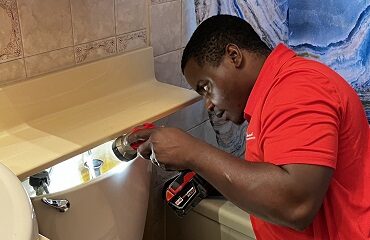
- Age: Most traditional storage tanks last about 10-15 years while tankless options can last up to 20 years. Rusty Water: If rusty or discolored water comes from your taps consistently after flushing the system. No Hot Water: If you find yourself frequently experiencing no hot water despite repairs being made. Leaks: Any visible leaks around fittings or at the base of the unit should prompt immediate inspection.
If you’re encountering any of these issues consistently after performing regular maintenance tasks like flushing sediment buildup or replacing the anode rod—which should ideally be done every few years—it may be prudent to consult with professionals about options for replacement.
Professional Help vs DIY Installations
While some homeowners may consider attempting a DIY installation of their new hot water heater as a way to save money upfront on labor costs associated with hiring professionals; this approach carries risks—especially if proper knowledge about plumbing codes isn’t present.
Professional installers possess expertise not only in ensuring compliance with local regulations but also have access to equipment necessary for safe installations—including tools designed specifically for plumbing work that may be costly or impractical for homeowners’ one-time use.
Moreover; professional installers conduct thorough inspections before completing installations—a step crucial both during initial setup processes & afterward—for ensuring ongoing safety & performance standards are met over time based upon individual home conditions (e.g., existing pipe configurations).
In short; while DIY projects might seem appealing financially; investing in experienced professionals yields benefits beyond immediate monetary considerations—providing peace-of-mind knowing installations meet safety requirements while enjoying warranties covering potential future issues arising post-installation period.
Maintenance Considerations
Once installed; regular maintenance becomes critical toward prolonging lifespan & optimizing efficiency of your new appliance—helping prevent costly https://www.facebook.com/thepleasantplumber.minneapolis repairs later on down-the-line due largely due accumulating sediment buildup that impairs heating elements over time leading ultimately toward decreased performance levels overall!
Some essential maintenance tips include:
Flushing Your Tank Regularly: At least once annually helps remove sediment buildup which accumulates at bottom portion causing inefficiencies.
Checking Pressure Relief Valves: Ensure they function properly by testing them periodically according manufacturer instructions detailed within user manuals provided upon purchase.
Inspecting Anode Rods: These rods attract corrosive elements found within stored waters ensuring main tank body remains intact; replacing every few years prevents premature failure due rust formation occurring otherwise unchecked over longer periods without intervention.
Monitoring Temperature Settings: Keeping settings around 120°F optimizes comfort while reducing energy consumption—most homes operate efficiently within this range rather than higher temperature defaults which lead excessive energy waste instead!
Scheduling Professional Inspections: Having trained technicians inspect units periodically ensures all aspects function smoothly further minimizing risk unexpected breakdowns occurring unexpectedly during peak usage times!
By adhering closely routine maintenance schedules outlined above ensure longevity functionality remain intact well-beyond typical lifespans expected—keeping families comfortable year-round regardless prevailing weather conditions outside!
Conclusion
Understanding what influences installation costs associated with purchasing/installing new hot-water-tank systems involves analyzing multiple variables affecting total expenditures incurred throughout process—from initial price tags varying across models selected right through ongoing maintenance requirements needed sustain optimal performance levels achieved post-installation completion!
For residents living within Minneapolis area seeking reliable solutions addressing residential/commercial needs alike whether through routine servicing/repair tasks performed by skilled technicians experienced field ensure homes remain warm protected year-round guarantees comfort accessibility enjoys throughout seasons change!